
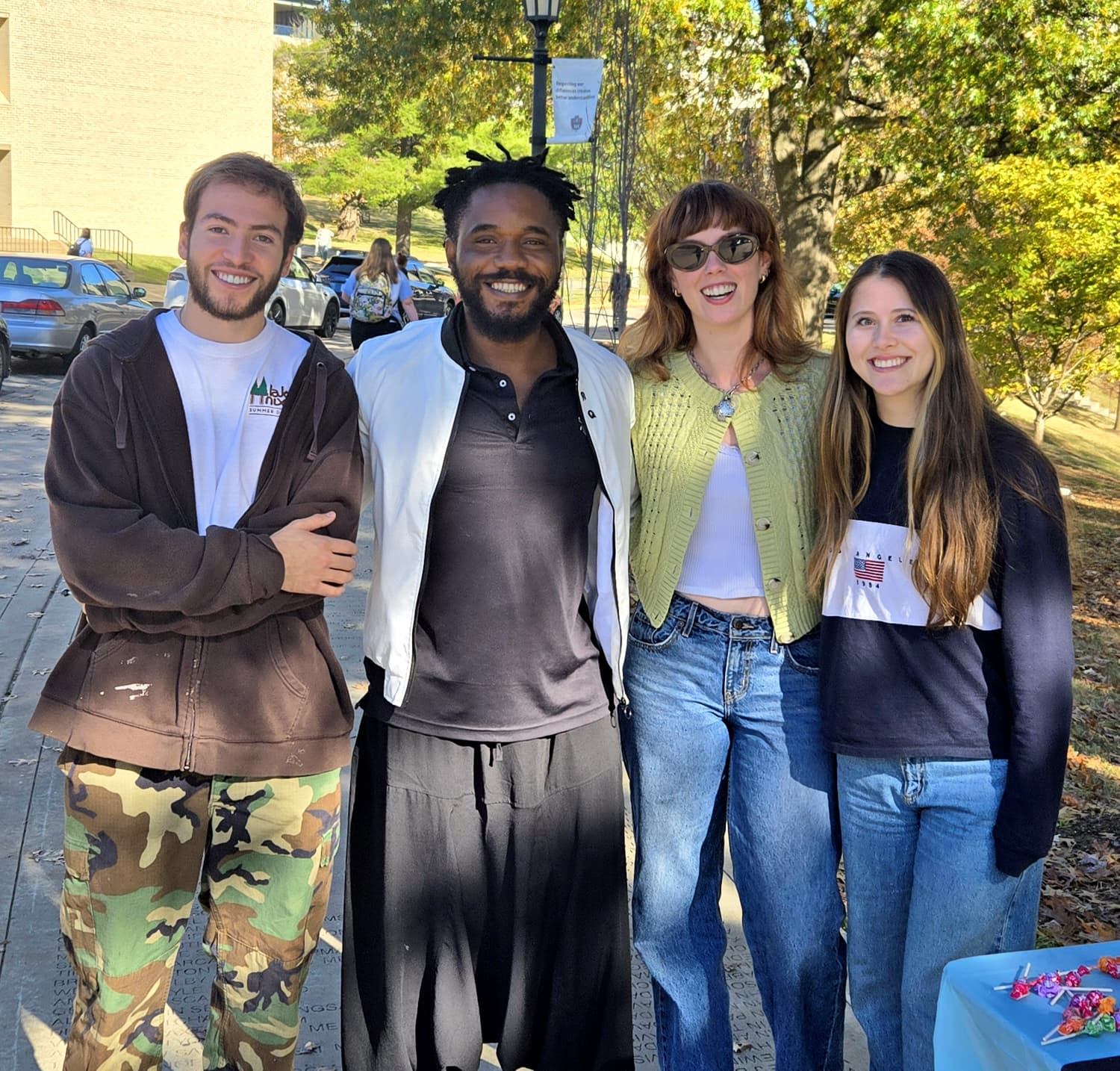
I look back sometimes and think, I wish I took pictures at that conference. I wish I enrolled in that course and wrote about it while the experience was fresh. I wish I documented the moments, the ideas, the people, the growth. I wish I was intentional about writing my story during my PhD program – these and more will be your regrets
The truth is harsh: memories fade, timestamps disappear, and opportunities move on, often favoring the visible. In today’s hyper-connected world, where AI can fabricate a polished résumé or a generic cover letter in seconds, your real, undeniable differentiator is the evidence you personally documented. Your story, verified, is the ultimate credential.
💰 Documentation is the New Currency of Credibility
The academic and professional landscape has irrevocably changed. In 2025 and beyond, recruiters, grant reviewers, senior professors, and industry collaborators want to see more than a list of bullet points on a CV. They demand tangible proof of engagement, impact, and intellectual curiosity.
- The Fellowship and Grant Reviewers: They don’t just ask for a publication list; they ask, “Can you share links to your project portfolio, your public data narratives, or your research-in-progress?” They are vetting your potential for future impact, which is best demonstrated by your past visibility.
- The Collaborators and Faculty Searches: The first action of any top professor or hiring committee is to Google your name. No professional website, no curated LinkedIn presence, no visible body of work, no public talks? That digital silence is not neutrality—it becomes your image: unengaged, non-public, and difficult to assess.
- The Public-Facing Scholar: Grant applications, especially from major funding bodies, now routinely include sections on Broader Impacts and Knowledge Mobilization. Reviewers want proof—photos from community workshops, videos of your conference presentations, summaries of project methodologies on your blog—verifiable evidence that you know how to communicate your work beyond the ivory tower.
The Deep Pain of “I Wish I Did…”
The loss from non-documentation is not felt today. You feel it profoundly years later, when you need to activate your network, apply for your dream job, or seek a promotion, and you realize you have no archived evidence to draw upon.
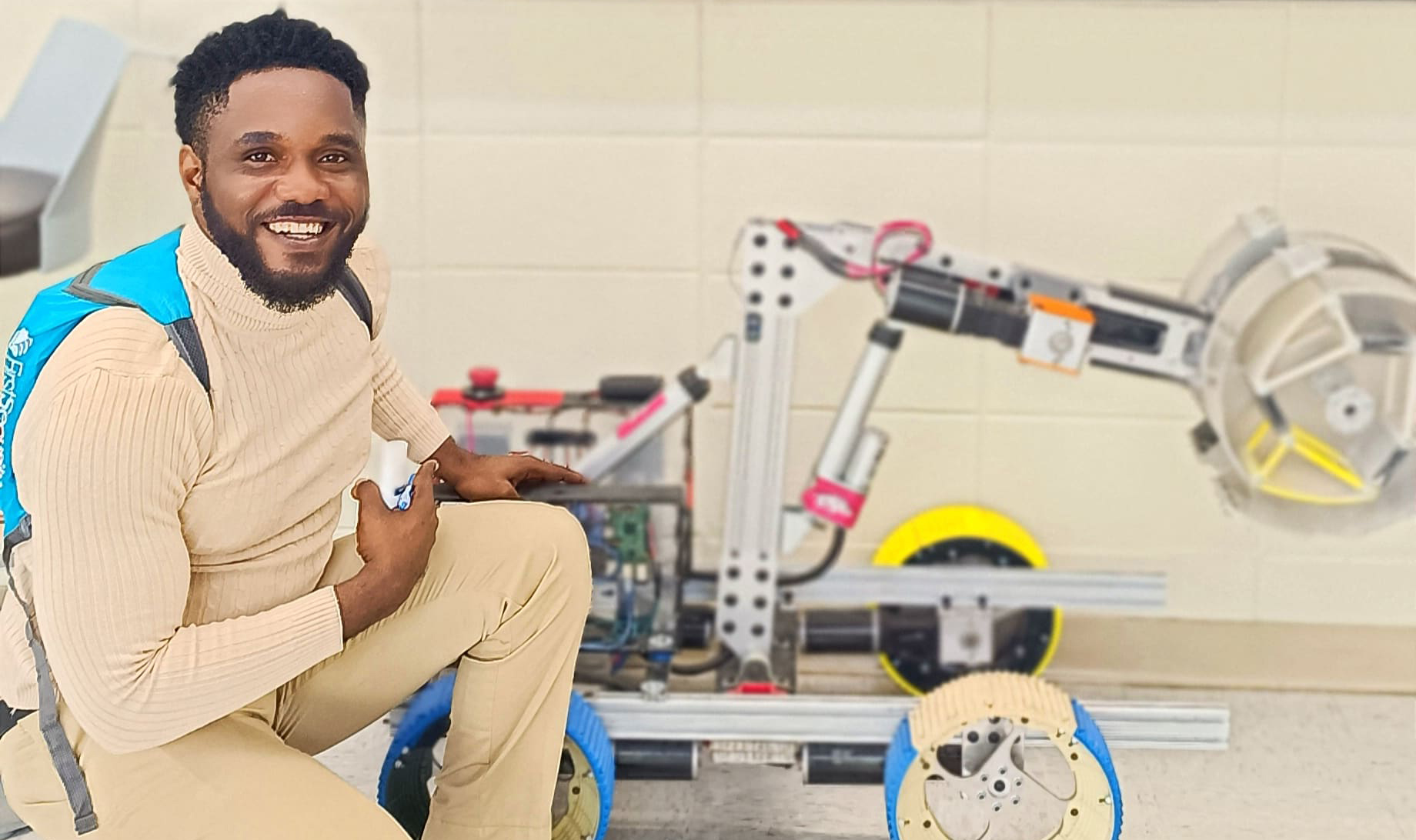
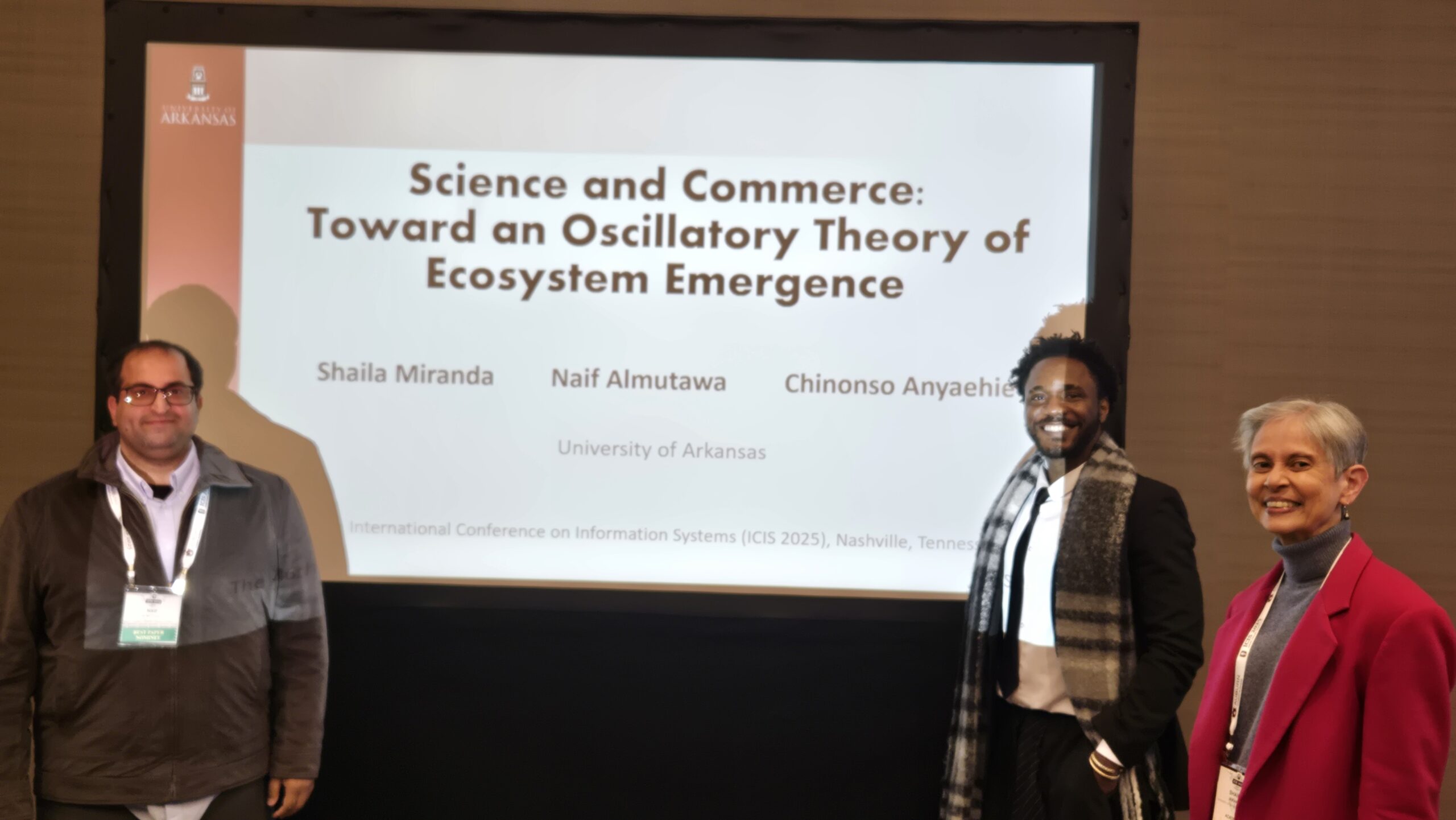
- No pictures of your first conference panel, capturing the moment you became a colleague.
- No nuanced reflections on the pivotal lessons learned from that intensive methodology workshop.
- No accessible posts summarizing the esoteric courses you took, making them readable for a broader audience.
- No chronological record of people you met who could have become critical collaborators, with context about the connection.
- No timestamped trail of your evolving critical thinking, technical skills, and research identity.
Suddenly, your CV feels thin—not because you didn’t do enough, but because you didn’t capture or translate your actions into visible assets. You allowed valuable intellectual capital to dissipate.
💡 Real Example: The Near-Miss Postdoc I know a high-performing PhD student who completed a strong, complex dissertation, published two high-impact papers, and secured multiple travel grants. Yet, when applying for a highly competitive, coveted postdoc position, the committee asked: “Do you have a personal research portfolio or academic blog we can review to assess your public communication skills?” He didn’t. He lost the opportunity—not due to a lack of ability or papers, but because his intellectual journey was invisible and his capacity for public engagement was unverified. Contrast this with scholars who consistently documented their journey; they often get invited to collaborations and interviews simply because their work is easily found, instantly validated, and readily understood. Visibility doesn’t just attract opportunity; it multiplies it.
Documenting Builds Your Brand—And Your Accountability
Creating a professional website or an academic blog is far more than a marketing exercise; it is an intellectual accountability mechanism.
When you commit to having a public platform with your name and research focus on it:
- It Forces Intentionality: You become more thoughtful about which conferences to attend, which seminars to join, and which events are worth your time because you know you’ll have to write about them.
- It Demands Clarity: To summarize a complex paper or a three-day workshop into a crisp, accessible blog post (500 words or less) forces you to truly master the material. Writing for an external audience sharpens your internal thinking.
- It Creates Assets: Each post, each photo, each slide deck summary is a digital asset that can be referenced, shared, and indexed by search engines. This is how you build Search Engine Optimization (SEO) for your name and your research niche.
- It Grows Your Network Organically: You shift from being a passive recipient of information to an active contributor. People follow and reach out to you because you have something valuable and shareable.
Your website becomes a mirror that forces a ruthless quarterly self-audit: “What did I tangibly contribute this month, and is it visible?”
🏛️ A Personal Website Is Not Vanity—It’s Strategic Infrastructure
The greatest scholars today understand that their impact extends beyond journal citations. They treat their digital presence as essential scholarly infrastructure:
- A Professional Website (e.g., yourname.com): This is your digital lab, your home base. It’s the only platform you truly own and control, immune from the whims of social media algorithms.
- A Google Scholar Profile: The minimum requirement for tracking your verifiable research output.
- A Curated LinkedIn/Academic Social Presence: The primary tool for professional networking and communicating your research journey to non-academic audiences.
- Archived Content: Documented talks, uploaded slides, summarized panels, and research methodologies.
Visibility is no longer a luxury; it is a fundamental component of contemporary scholarly impact. By documenting consistently, you are not just building a portfolio—you are claiming the narrative of your expertise. You show—not tell—your intellectual evolution, accumulating the irrefutable evidence required for grants, promotions, and leadership roles.
Time Waits for No One: The Cost of Inaction
If you are currently in your PhD program, thinking, “I’ll start later… once I have my first paper published,” you are already late.
- Every month you delay documentation is a month of lost data for your future self.
- Every event you attend without an accessible record is a missing chapter of your professional biography.
- Every insight you gain but didn’t write down becomes a forgotten asset that a competitor might document instead.
Eventually, you will realize the profound truth: You didn’t need more achievements; you needed more documentation of the achievements you already had.
🚀 Start Today: Build Your Legacy in Real Time
Your future self will thank you for taking these specific, actionable steps immediately:
- Establish Your Digital Home: Create a professional, clean personal website (e.g.,
yourname.comoryourdomain.com). This is non-negotiable. - Document Broadly: Don’t just document the publications. Document everything—methodology struggles, successful courses, reflections on key readings, meetings with visiting scholars, and your conference attendance.
- Build Your Academic Network: Post consistently on LinkedIn. Use it to summarize what you are learning, not just what you have finished. Tag the speakers or authors.
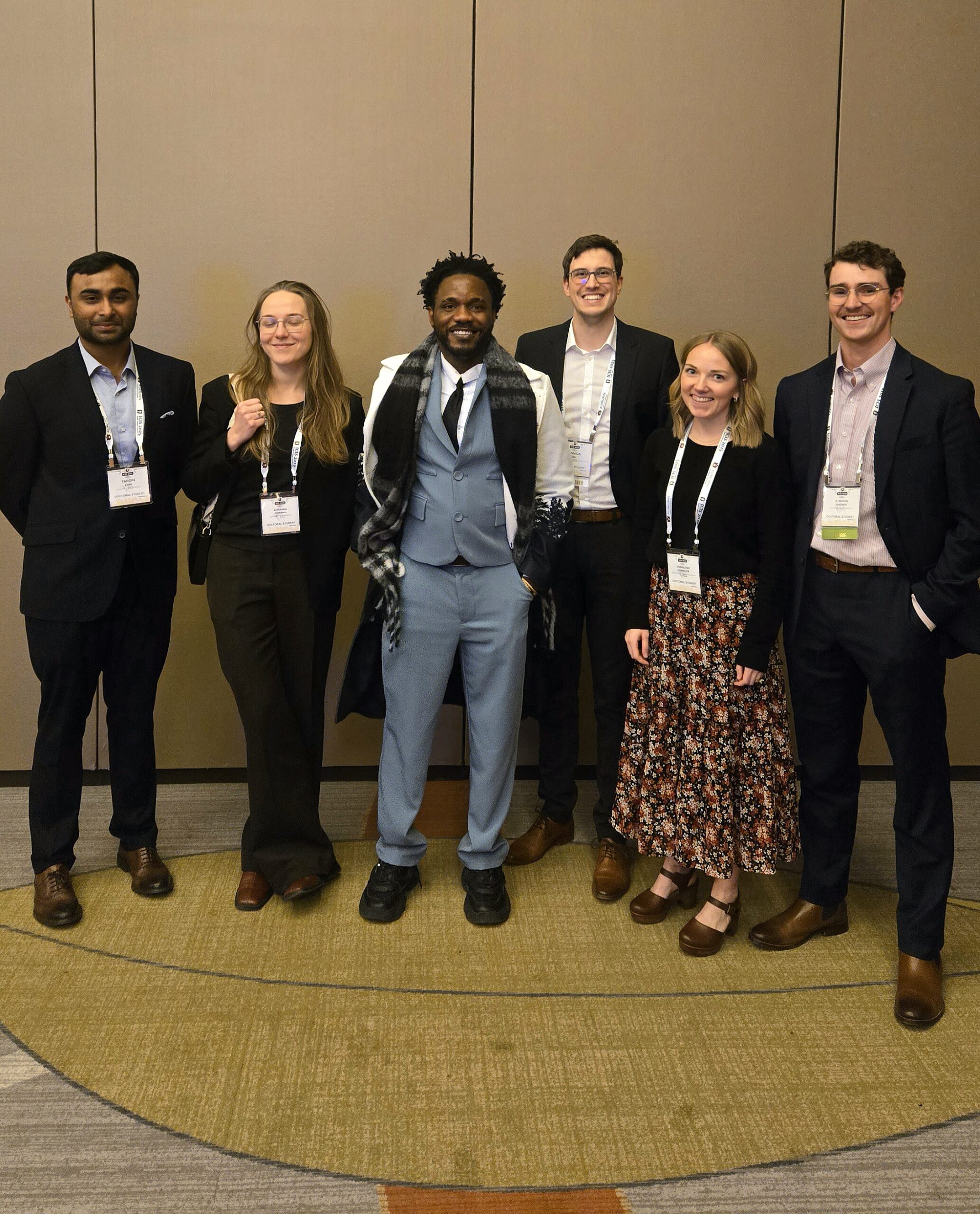
- Capture the Moments: Take high-quality pictures at events, even the informal ones. These are the visual timestamps of your engagement and energy.
- Write One Thing Per Week: Aim for one low-stakes piece of content per week—a Twitter thread on a paper, a quick LinkedIn reflection, or a 500-word blog post on a methodology concept. Consistency is more important than quality when you start.
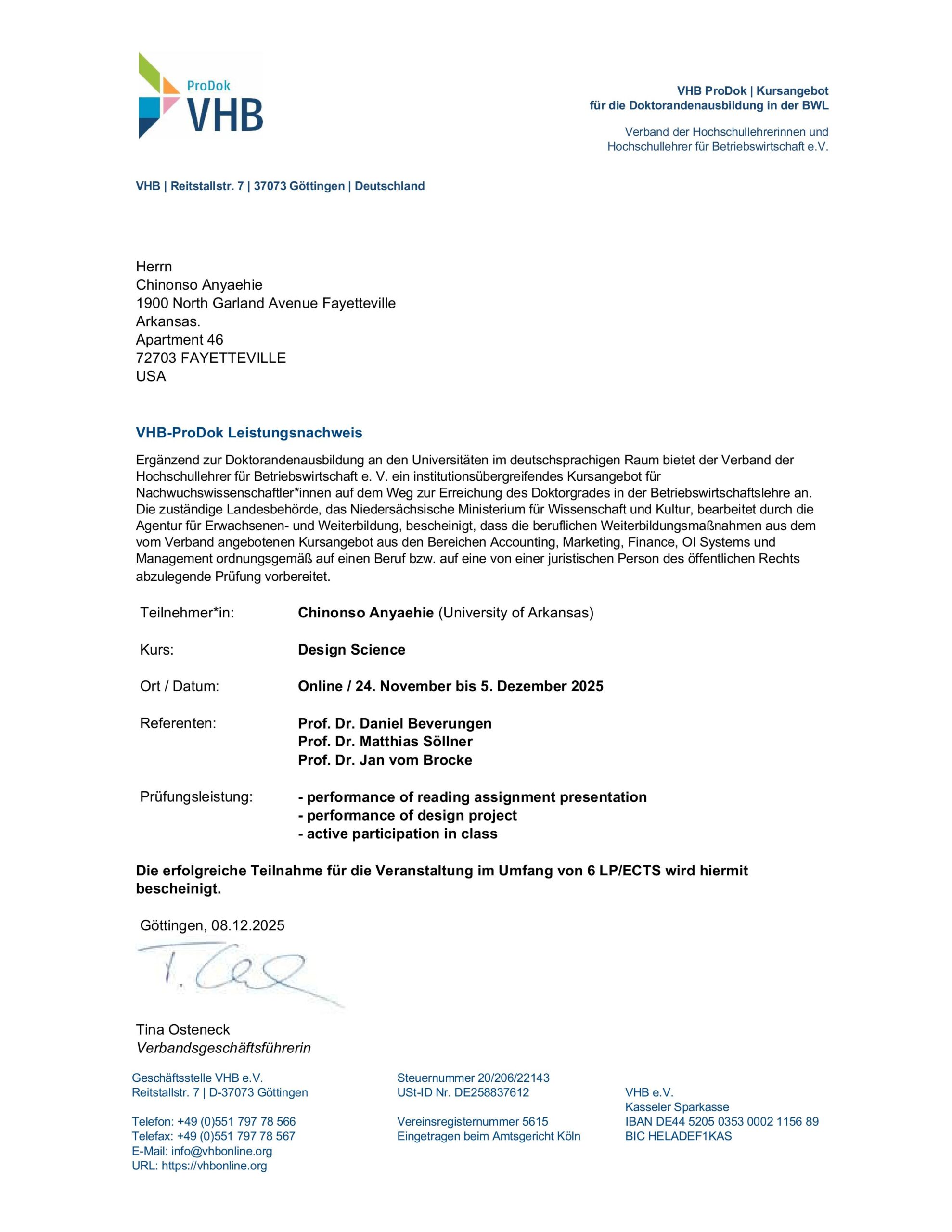
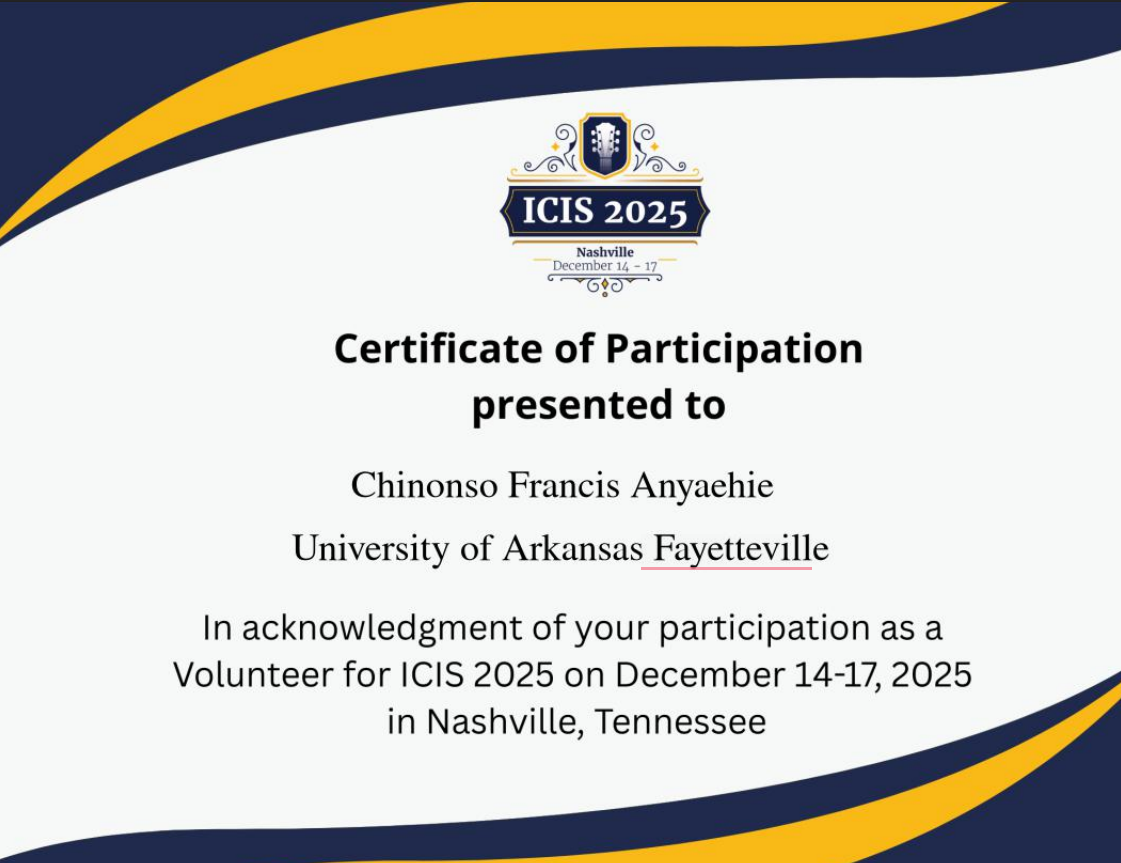
- Centralize Your Assets: Create a dedicated cloud folder (Drive, Dropbox) for all evidence: slide decks, participation certificates, high-res photos, and notes.
Your PhD story is unfolding right now, in real time. Only you can write it. Only you can preserve it. Only you can turn your demanding, complex journey into a credible, visible brand that opens doors long after the degree is conferred.


Leave a Reply