



Every single day in my PhD program, one thought returns like a drumbeat: What opportunity can I leverage today?
Most people enter a PhD thinking it’s a linear path: coursework ==> comprehensive exams ==> dissertation ==> graduation. They view it as a period of isolation and survival.
But this is a fundamental misunderstanding of the landscape. A PhD is not a tunnel; it is a platform. It is a heavily subsidized, resource-rich runway filled with leverage points that, if ignored, result in a massive opportunity cost.
Here is how to stop acting like a student and start operating like an emerging scholar.
1. The “Institutional Halo”: Your PhD Is a Unfair Advantage
The moment you enroll, the world treats you differently. You possess what sociologists call “institutional signaling.”
When you send an email from a Gmail account, you are a stranger. When you send it from an @university.edu address with “PhD Student” in the signature, you are a colleague-in-training.
The “Hidden” Assets You Are Ignoring:
- The “Student Card” Superpower: You have access to enterprise-grade software (SAS, SPSS, NVivo), massive proprietary datasets (WRDS, Bloomberg terminals), and library subscriptions that cost corporations thousands of dollars a month. Use them now.
- The ” informational Interview” Pass: Industry leaders and senior scholars who charge thousands for consulting will talk to you for free simply because you are “doing research.”
- Legitimacy by Association: You borrow the credibility of your institution. When you pitch a conference talk or a guest article, you aren’t just you; you are a representative of your university.
The shift: Stop asking, “Do I have permission to do this?” Start asking, “How can I use my university affiliation to open this door?”
2. Real Growth Happens in the “Structural Holes”
The biggest trap in a PhD program is the “Departmental Silo.”
Your cohort is your support system, but they are not your network. If you only talk to people who read the same journals as you, your ideas will become insular. Innovation happens in the “structural holes”—the gaps between disciplines.
Where to Go (The Tactical List):
- Doctoral Consortia: These are invite-only pre-conference events. Apply to them aggressively. This is where you meet the mentors who will hire you in three years.
- Summer Schools & Methods Workshops: Don’t just go to learn a method; go to meet the other people struggling with that method. These trauma bonds turn into lifelong research collaborations.
- Industry Conferences: Go where the data lives. If you research supply chains, attend logistics trade shows. If you research AI, go to developer meetups.
The Case Study:
Consider a PhD student at the University of Cape Town. Instead of just reading papers, she started a YouTube channel interviewing global scholars about the stories behind their papers.
- The Result: Three years later, she isn’t just a graduate; she is a “node” in the network. She co-authors with people she interviewed and has job offers on three continents. She didn’t wait to be discovered; she built her own distribution.
3. Fix Your “Digital Home” Before You Invite Guests
Here is the brutal truth: If you do good work but are invisible, you do not exist.
When a potential co-author, grant reviewer, or employer hears your name, they will Google you. What will they find? A blank page? A Facebook photo from 2015? Or a curated professional narrative?
The “Minimum Viable Brand” Checklist:
(1) The LinkedIn Audit
- Headline: Stop using “PhD Student.” It tells me nothing.
- Bad: PhD Student at University of Arkansas.
- Good: PhD Candidate in Information Systems | Researching AI Adoption & Digital Transformation | Exploring the Future of Work.
- The “About” Section: Write this in the first person. Tell your story. Why this research? Why now?
(2) The “Living CV” (Your Website)
You need a central hub that you own (e.g., YourName.com).
- The “Research” Tab: Don’t just list paper titles. Write 3-sentence plain-English summaries of what you are working on.
- The “Blog” Tab: This is your “Digital Garden.” Plant ideas here before they are fully grown.
(3) The Scholarly Trinity
Ensure you have claimed and updated profiles on:
- Google Scholar: Even if you have zero citations, create the profile so the algorithm knows you exist.
- ORCID: The unique identifier that ties your work to you forever.
- ResearchGate/Academia.edu: The social networks where papers are shared.
Stat: PhD students who maintain a public-facing research blog are 4x more likely to receive invitations for media comments, panels, and collaborative grants.
4. Move From “Networking” to “Value Exchange”
“Networking” feels dirty because it implies taking. “Relationship building” is about giving.
Senior scholars are busy. They do not need more friends; they need solutions to their problems.
How to be “Worth Responding To”:
- The “Curator” Strategy: You don’t have to be an expert to add value. Be a curator. “Professor X, I saw your recent paper on Y. I recently found this dataset/news article that contradicts/supports your finding. Thought you might find it interesting.”
- The “Technical Assist”: Are you good at Python? R? Data viz? Offer to help a senior scholar visualize their data for a presentation. You trade time for mentorship and credit.
The Cold Email Template that Works:
“Dear Professor X,
I’ve been following your work on [Topic], specifically your recent argument in [Journal Name] about [Key Point].
I’m currently a PhD student exploring [Your Similar Topic], and I attempted to replicate your methodology using a new dataset from [Context].
I documented the results on my research blog [Link]. I thought you might find the contrast interesting.
No reply needed—just wanted to share how your work is influencing new scholars.”
This isn’t asking for a favor. It’s offering a tribute. This is how you turn a “cold” contact into a “warm” ally.
5. The Strategy of Consistency: “Document, Don’t Create”
The biggest hurdle to building a brand is the feeling of Imposter Syndrome: “Who am I to teach anyone?”
The Fix: Stop trying to teach. Start documenting.
- Don’t write: “Here is how Structural Equation Modeling works.”
- Do write: “Here is how I struggled with Structural Equation Modeling yesterday, and the one video that finally helped me understand it.”
The Content Flywheel:
- Read a paper? Post a 3-bullet takeaway on LinkedIn.
- Run a failed experiment? Write a short post on what went wrong (people love failure stories; they are relatable).
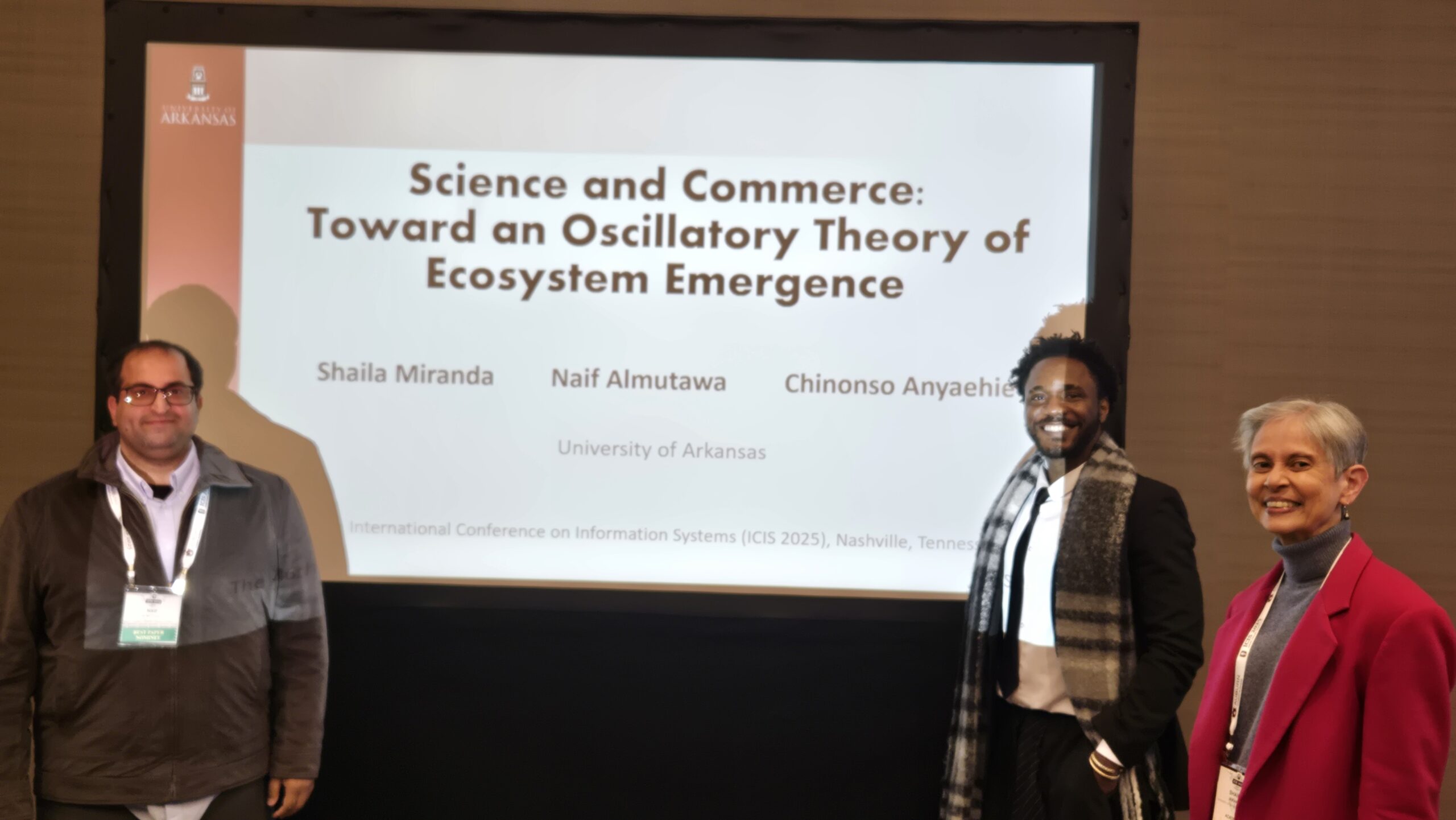
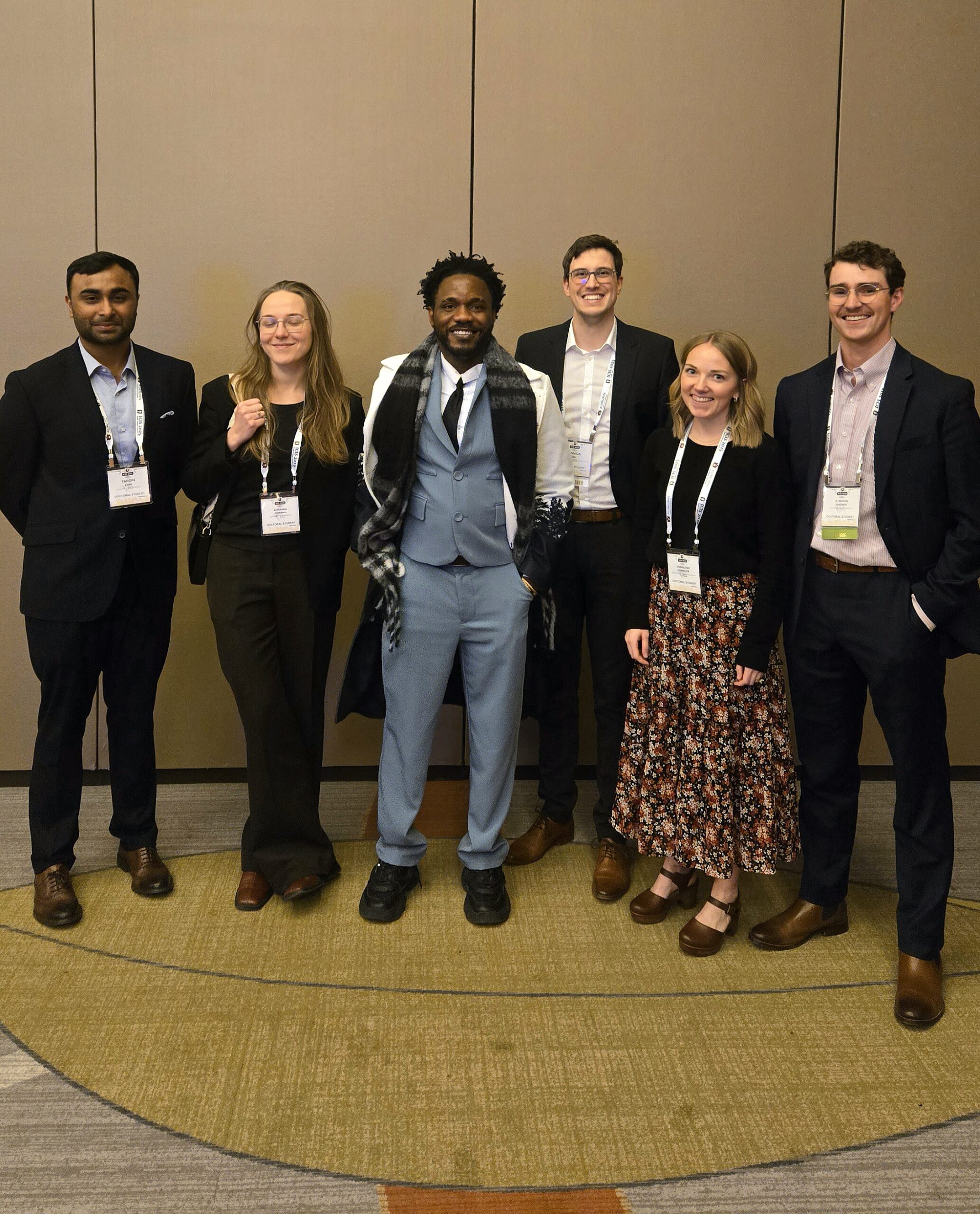
- Attending a conference? Post a photo of the badge and list the 3 sessions you are most excited about.
After six months, something magical happens: Familiarity bias. People begin to feel like they know you. When you finally meet them in person at a conference, you aren’t a stranger. You’re “that person who posts about AI ethics.”
6. The PhD Is Your Launchpad, Not Your Destination
The academic job market is saturated. The tenure track is shrinking.
If you rely solely on your dissertation to get you a job, you are gambling with your future. But if you build a brand, you create optionality.
- The Academic Route: Search committees look for scholars who are visible and active in the community.
- The Industry Route: Companies look for “Thought Leaders” who can communicate complex ideas to the public.
By building your brand now, you are hedging your bets. You are ensuring that no matter what the economy does when you graduate, you have a network that knows your name and values your work.
The Final Challenge:
Open your calendar. Look at tomorrow.
Ask yourself: “Is this day dedicated to checking boxes, or is it dedicated to building leverage?”


Leave a Reply